15-Minute Reviews: Fueling Your Agile Marketing Machine
"A plan is nothing; planning is everything."
In a world where consumer trends shift overnight, rigid annual marketing plans are often dead on arrival. To survive, you must shift from heavy, long-term forecasting to a model of continuous, data-driven adaptation.
Key Takeaways * Agility is not just about moving fast; it is the structured ability to pivot based on real-time data. * Successful execution requires breaking monolithic campaigns into small, rapid, and testable iterations.
* Modern marketers must balance high-level strategic vision with granular, on-the-ground tactical freedom.

Why Traditional Marketing Fails in Today's Volatile Market
In a silent conference room at dusk, a manager grips a heavy paper calendar while the cold air from the vent hits their neck.
A marketing manager sits in a glass-walled conference room in downtown Chicago, staring at a massive printed calendar for the next twelve months. According to the EPA, markets for both recycling and beneficial use existed for 80.4% of scrap tires, representing about 233 million tires per year.
They feel confident, marking off "Phase 1 Launch" in bright blue ink, unaware that a sudden shift in social media algorithms or a competitor's viral video will render this entire document obsolete by next Tuesday.
The danger of long lead times is the primary killer of modern brands. When a team spends three months perfecting a single, massive campaign, they are essentially making a massive bet on a snapshot of the market that may no longer exist by the time the creative goes live.
In a monthly or even weekly cycle, a quarterly plan is often too heavy to move.
This creates a massive cost of inertia. Slow decision-making processes—where every minor tweak requires three layers of management approval—lead to missed market windows. By the time the "official" campaign is approved, the conversation has already moved elsewhere.
The modern imperative requires a fundamental shift in mindset. We must move from a "launch and defend" mentality, where the goal is to protect a static plan, to a "launch, learn, and iterate" model.
This shift ensures that the brand remains a participant in the conversation rather than a spectator of its own demise.
What is Marketing Agility, and How is it Different from Speed?
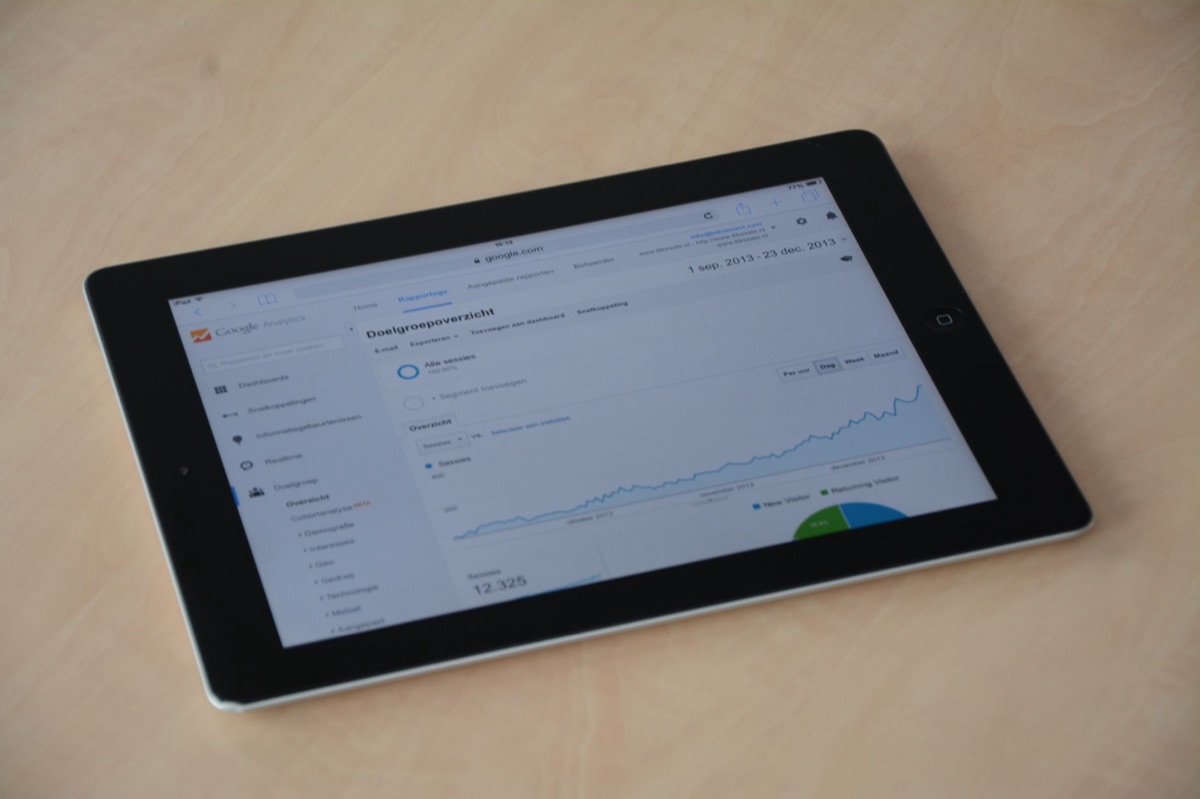
Late at night in a cramped Austin office, a small team leans over a glowing laptop screen to study a sudden dip in the data.
A small team of three sits around a laptop in a cramped coworking space in Austin. They aren't running frantically; they are calmly looking at a dashboard, discussing a single metric that dropped by 5% overnight. They aren't panicking because they already have a plan for what to do next.
Agility is often confused with sheer speed, but they are not the same. Speed is running fast in any direction; agility is the organizational muscle to absorb shocks and redirect energy efficiently toward a specific goal. It is about being nimble enough to change course without losing momentum.
This is achieved through iterative cycles. Instead of massive, infrequent updates, agile teams use short feedback loops.
For example, in a brief session lasting only 15 minutes, team members review collectively how they are progressing toward their goal and agree whether they need to adapt their approach. This prevents small drifts from becoming massive, expensive failures.
The ultimate goal is achieving organizational alignment on the *direction* while allowing tactical freedom on the *path*. Leadership sets the destination, but the team on the ground has the authority to navigate the obstacles they encounter in real-time.
Identifying Opportunities vs. Threats in Real-Time
A retail owner looks at their tablet during a quiet Tuesday afternoon. They notice a sudden spike in engagement on a specific product category on Instagram.
Instead of waiting for the weekly report, they immediately shift a small portion of the ad budget to capitalize on the trend before the weekend hits.
To succeed, you must establish rapid data ingestion. This means creating channels where feedback—whether it is social media sentiment or direct sales conversion rates—reaches the decision-makers instantly. You cannot rely on monthly reports to tell you what happened three weeks ago.
This requires moving toward hypothesis-driven execution. Rather than saying, "We will run this ad because we like the design," you should say, "We believe this specific messaging will increase click-through rates by 10%." This turns every marketing effort into a structured, testable bet.
The most critical skill is identifying the pivot point. You must know when to double down on a successful test and, more importantly, when to kill a failing hypothesis quickly. If a creative direction isn't working, stop spending money on it immediately.

Building the Agile Marketing Machine
A team lead stands before a whiteboard, drawing a circle divided into small segments. They aren't planning a year; they are planning the next two weeks, focusing on one specific experiment at a time.
To build an agile machine, follow this execution playbook:
- Phase 1: Small Bets (Minimum Viable Marketing - MVM): Instead of launching a grand, expensive campaign, launch small-scale tests. Test the messaging, the audience, and the creative on a micro-budget first. 2. Phase 2: Rapid Deployment: Use multi-channel integration to create immediate feedback loops. If you test a concept on social media, see how it translates to search or email engagement almost instantly. 3. Phase 3: Collective Review: Establish a regular cadence for review. As noted in agile methodologies, a brief, scheduled session allows the team to review progress collectively and agree on necessary adaptations.
| Strategy Component | Traditional Marketing | Agile Marketing |
|---|---|---|
| Planning Horizon | Annual / Quarterly | Weekly / Bi-weekly |
| Primary Goal | Execution of Plan | Learning and Adaptation |
| Risk Management | Avoidance of Failure | Controlled, Cheap Failure |
| Team Structure | Siloed Departments | Cross-functional & Collaborative |
| Success Metric | Plan Adherence | Goal Attainment & Insight |
*Practical Tip:* To keep momentum, implement a "15-minute stand-up" style review. This ensures the team stays aligned on the goal and can make micro-adjustments without needing a full-day meeting.
Essential Tools and Mindsets for the Modern Marketer
A junior marketer stares at a spreadsheet full of data. Instead of feeling overwhelmed, they look for the one trend that explains the recent shift in customer behavior, using that insight to suggest a change in the next day's content schedule.
The role of data is paramount. Data should be used as a compass, not a rearview mirror. While traditional marketing looks at data to see what happened, agile marketing uses data to decide what to do next.
Focus on leading indicators like engagement and click-through rates, not just lagging indicators like quarterly revenue.
The human element is equally important. You must foster a culture where failure is viewed as a learning cost. If a test fails, it isn't a disaster; it is a successful identification of a path that doesn't work. This makes failure "cheap" and learning mandatory.
Finally, prioritize resourcefulness. You don't need a massive budget to be agile. You can maximize reach by repurposing successful content or testing organic engagement before putting paid spend behind it.
Common Pitfalls to Avoid When Going Agile
A manager sits at their desk, looking at a list of twenty different "urgent" tasks. They feel busy, but they realize they haven't actually moved the needle on their primary sales goal in weeks.
Be careful of the illusion of multitasking. It is easy to confuse constant activity with meaningful progress. If you are running ten different tests but none of them are moving you toward your core objective, you aren't being agile; you are just being busy.
Another trap is "Shiny Object Syndrome." This happens when a team pivots too often based on every new trend or minor data fluctuation.
If you change direction before you reach statistical significance, you will never know if your original hypothesis was actually wrong or if you simply didn't give it enough time to work.
Lastly, watch out for attribution lag. If you cannot quickly attribute a success or a failure to a specific tactical decision, you cannot learn. Ensure your tracking is robust enough to tell you exactly which lever you pulled to get the result. ### FAQ
How do small businesses start being agile without a big budget? Focus on the Minimum Viable Marketing (MVM) concept. Choose one single channel and one specific, small-scale test. Instead of a large campaign, spend a very small amount of money or time to test a single idea.
If it works, scale it slightly. If it fails, you have only lost a small amount of resources.
How do I know when to stop testing and commit to a strategy? You stop testing when the data clearly indicates that a hypothesis has been validated.
Once you have enough evidence that a specific message or audience segment produces the desired result, you can transition from "testing mode" to "scaling mode."
Is agile marketing too chaotic for large organizations? Not if you maintain clear strategic guardrails.
Agile works best when leadership provides a clear, stable destination (the "what" and "why") while giving the execution teams the autonomy to decide the "how." Without clear goals, agility can indeed turn into chaos.





Comments 0