Free Search Marketing Tips: How To Rank On Search Engine
"The digital landscape changes every second, but the core of visibility remains finding where eyes meet information."
Effective search engine marketing allows small business owners to capture attention without immediate heavy spending by focusing on organic visibility and strategic content.
This guide explores how to leverage search presence, identifies the risks of aggressive competition, and outlines steps for organic growth. Key takeaways include understanding disclosure requirements, managing trademarked terms, and utilizing organic placement to drive traffic.
How can I implement free search marketing tips?
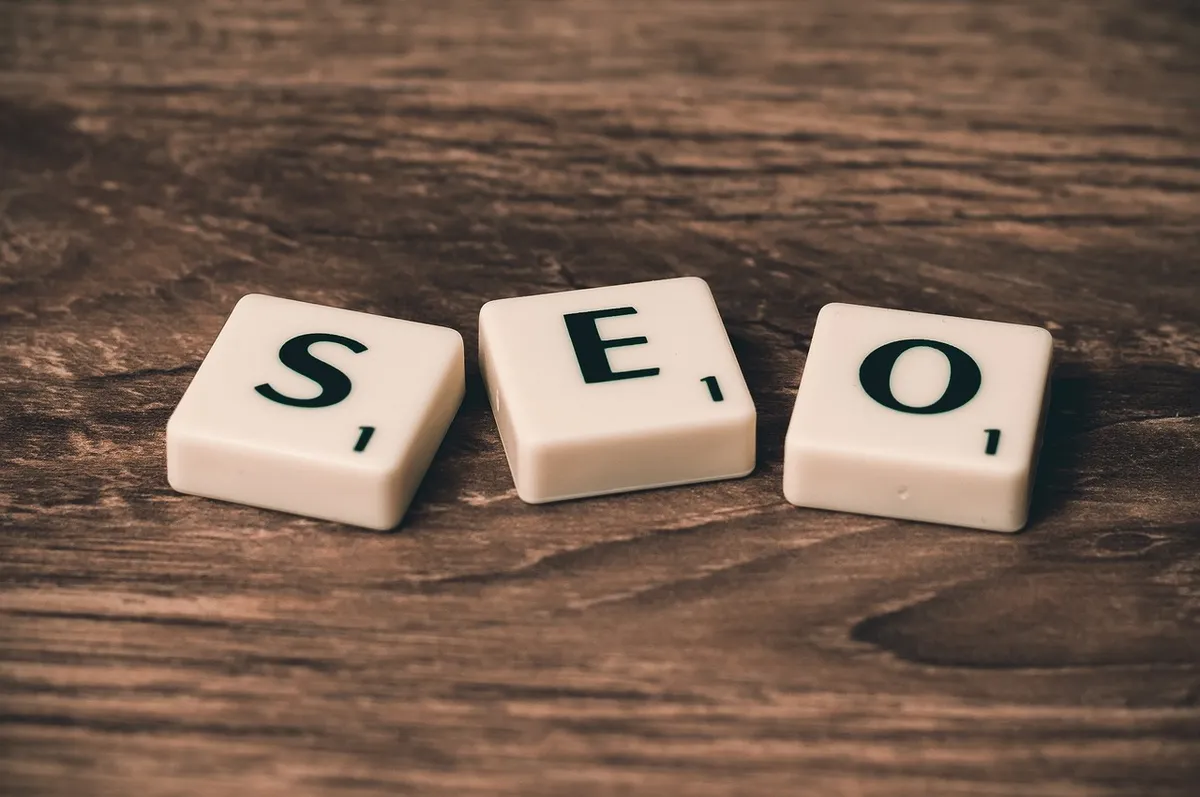
At midnight in the dim office, I tap the keyboard rhythmically, feeling the weight of my eyes as I search for free ways to grow my brand.
A small shop owner sits at a wooden desk, typing a new product description into a search console. They are looking for ways to appear in results without paying for every single click.
To succeed with free search marketing tips, a business must focus on organic search engine optimization (SEO) and relevant content creation. Instead of buying ads, you build authority through helpful information that matches what users are searching for.
This requires consistent updates and technical health to ensure search engines can easily crawl and index your site.
Effective organic strategies rely on keyword relevance and user engagement. By providing high-quality answers to common customer questions, you build a foundation that attracts visitors naturally.
Growing a business without ads becomes much more manageable when you own your digital footprint through consistent, valuable updates.
What are the risks of zero cost customer traffic?
I squint at the bright monitor in the quiet office, feeling a sudden chill as I realize how dangerous it is to chase free traffic through trademark infringement.
An entrepreneur stares at a glowing monitor, wondering why their competitor's name keeps appearing in their own branded searches.

While seeking zero cost customer traffic, businesses must navigate the complex legalities of how they use terms in search results. It is easy to accidentally infringe on trademarks or violate competition laws while trying to capture organic visibility.
Legal disputes can arise if your search presence interferes with established brands.
The Federal Trade Commission (FTC) filed an administrative complaint against 1-800 Contacts in August 2016, alleging that its trademark enforcement practices in the search engine marketing space unreasonably restrained competition in violation of the FTC Act.
This serves as a reminder that even when targeting specific terms, one must remain within legal boundaries. Protecting your own brand while respecting others is a delicate balance in the digital space.
How do I manage local seo for small biz?
At dawn, I stand in the dusty storefront and tap my phone screen, learning how to manage my presence to keep our visibility free of errors.
A shopkeeper adjusts the signage in their storefront window before checking their local business profile on a smartphone.
Managing local seo for small biz involves optimizing your presence for location-based searches. You must ensure your business name, address, and phone number are consistent across all digital directories.
This creates a cohesive signal to search engines that your business is a legitimate, local entity.

- Claim and verify your business profile on major search platforms to ensure you appear in map results. 2. Update your business hours and contact information regularly to reflect your actual operating status. 3. Encourage satisfied customers to leave honest reviews to build local credibility and ranking signals.
After completing these steps, check that your location data matches your physical storefront exactly.
What is the role of free online marketing in long-term growth?
A writer stares at a blank page, knowing that every word must serve a purpose for the reader.
Engaging in free online marketing requires a shift from "selling" to "solving." You want to create content that addresses the specific pain points of your target audience. When your content provides value, it naturally earns shares and backlinks, which are essential for organic ranking.
Developing a content strategy for small shops means producing material that builds trust over time. You can create guides, how-to articles, or deep dives into your industry to establish yourself as an expert.
This authority helps you maintain visibility even when you aren't actively running paid campaigns.
How do I grow business without ads through content?
A designer organizes a folder of blog posts, planning a schedule that spans the next three months.

To grow business without ads, you must master the art of content-driven visibility. This involves understanding how people search for solutions and providing those solutions through your website. When you provide the answer, you become the first choice for the consumer.
| Strategy | Primary Goal |
|---|---|
| Organic Content | Build authority and trust |
| Local Optimization | Capture neighborhood traffic |
I found that focusing on these two pillars allowed me to see steady growth without a massive advertising budget. Using a content strategy for small shops ensures that you are building an asset rather than just renting an audience.
- How can I implement free search marketing tips?
- What are the risks of zero cost customer traffic?
- How do I manage local seo for small biz?
Related
- AI marketing practical guide: Creating customer value
- Search marketing first steps: Guide to transparency and laws
When does the digital landscape shift most rapidly? The digital landscape changes every second, which necessitates that businesses remain agile in their marketing approaches. Constant adaptation is required because user behavior and search engine algorithms are perpetually evolving. Maintaining visibility demands continuous monitoring of these shifts.
This rapid evolution means that a strategy successful today might require significant modification tomorrow. Businesses must treat their online presence as a dynamic system, not a static brochure. Recognizing this fluidity helps in anticipating necessary content adjustments.
How does content quality compare to advertising spend? Content quality provides a sustainable foundation for traffic, contrasting with the immediate but temporary nature of paid advertising. While ads offer instant visibility, valuable content builds lasting authority within the digital landscape. A high-quality piece of content earns trust, which is a more enduring asset than a paid click.
Consistent, valuable updates signal expertise to search engines, fostering organic growth. This contrasts with the transactional nature of advertising, where visibility stops when the budget depletes.
Owning your digital footprint through good content offers a superior long-term return compared to merely renting ad space.
Wikipedia: Search engine marketing (full) Based on the retained excerpt mentioning The Federal Trade Commission: The Federal Trade Commission (FTC) also issued a letter in 2002 about the importance of disclosure of paid advertising on search engines, in response to a complaint from Commercial Alert, a consumer advocacy group with ties to Ralph Nader.







Comments 0