AI marketing team structure: Roles for value creation
"The shift toward automated intelligence is not merely a tool upgrade; it is a fundamental restructuring of how value is delivered to the market."
To implement an effective AI marketing team structure, organizations must transition from siloed departments to integrated, data-driven units that manage the entire lifecycle of value creation.
This guide outlines how to reorganize roles, distribute responsibilities, and manage the transition from traditional processes to high-performance models.
Key takeaways include the need for cross-functional integration, the importance of redefining roles around data-driven decision-making, and the necessity of aligning technical capabilities with customer-centric objectives.
How can we define the new AI marketing team structure?
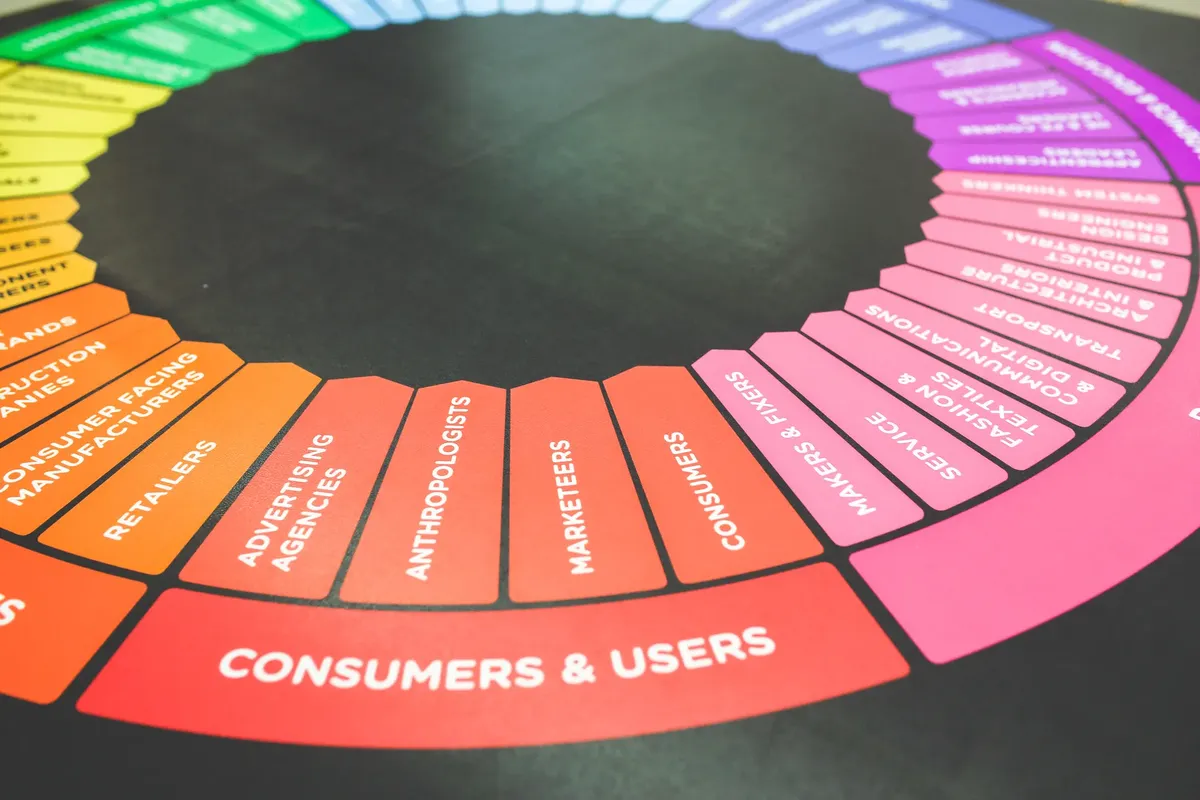
At midnight in the quiet office, a weary strategist rubs her eyes while staring at the shifting patterns of the new marketing team structure.
A strategist sits at a desk, reviewing a complex flow of automated data streams that feed into a central dashboard. Establishing an AI marketing team structure requires moving away from isolated creative teams toward a unified framework where data science and creative strategy coexist.
According to the Association (IAA) AdChoices Google Ads Microsoft, the industry involves marketing agencies and companies International Advertising Association (IAA) AdChoices Google Ads Microsoft Advertising.
This new arrangement ensures that automated insights directly inform the creation and delivery of offerings.
According to the American Marketing Association (AMA), marketing involves the activity, set of institutions, and processes for creating, communicating, delivering, and exchanging offerings that have value for customers, clients, partners, and society at large.
An effective AI marketing team structure must support these broad processes by integrating technological intelligence into every stage of the value chain.
The goal is to move from manual execution to strategic oversight. By building an AI marketing team structure that prioritizes data integrity, companies can ensure that automated outputs remain aligned with human-centric values. This structural shift allows for more agile responses to market changes.
What are the essential AI marketing roles guide components?
A team lead gathers specialists to discuss how a single algorithm affects multiple departments simultaneously. Developing an effective AI marketing roles guide involves identifying the specific competencies needed to manage automated systems alongside human creativity.
Roles must be clearly defined to prevent overlap while ensuring seamless collaboration between technical and strategic personnel.
The guide should focus on clearly delineated responsibilities, such as data engineers who maintain the integrity of inputs and strategists who interpret the outputs.

When building an AI marketing roles guide, organizations must ensure that technical experts can communicate effectively with creative leads. This prevents the common pitfall of developing advanced tools that lack practical application.
A successful AI marketing roles guide also addresses the management of automated workflows. This involves assigning ownership of specific data models to ensure accountability for the results they produce.
Without this clarity, the transition to automated processes can lead to confusion regarding decision-making authority.
How do we manage organizing AI effectively?
A project manager adjusts a timeline, balancing the speed of automated content generation with the need for human review. When it comes to organizing AI, the focus shifts toward managing the intersection of human intuition and machine efficiency.
As reported by the Pan American Health Organization, PAHO calls for stronger safeguards against digital marketing that undermines breastfeeding - Pan American Health Organization (PAHO) on Fri, 31 Jul 2026.
This process requires building workflows that allow for rapid experimentation without losing brand consistency.
Effective organizing AI involves creating iterative feedback loops where human oversight refines machine learning models. This prevents the "black box" problem where decisions are made without clear rationale.
By organizing AI into manageable workflows, teams can scale their efforts without losing control over the quality of their output.
Strategic leaders must also consider resource allocation during this phase. Organizing AI requires a balance between investing in cutting-edge software and developing the human talent needed to operate it. A well-organized team can pivot quickly as new technologies emerge.
What is the best way for an AI strategy team setup?
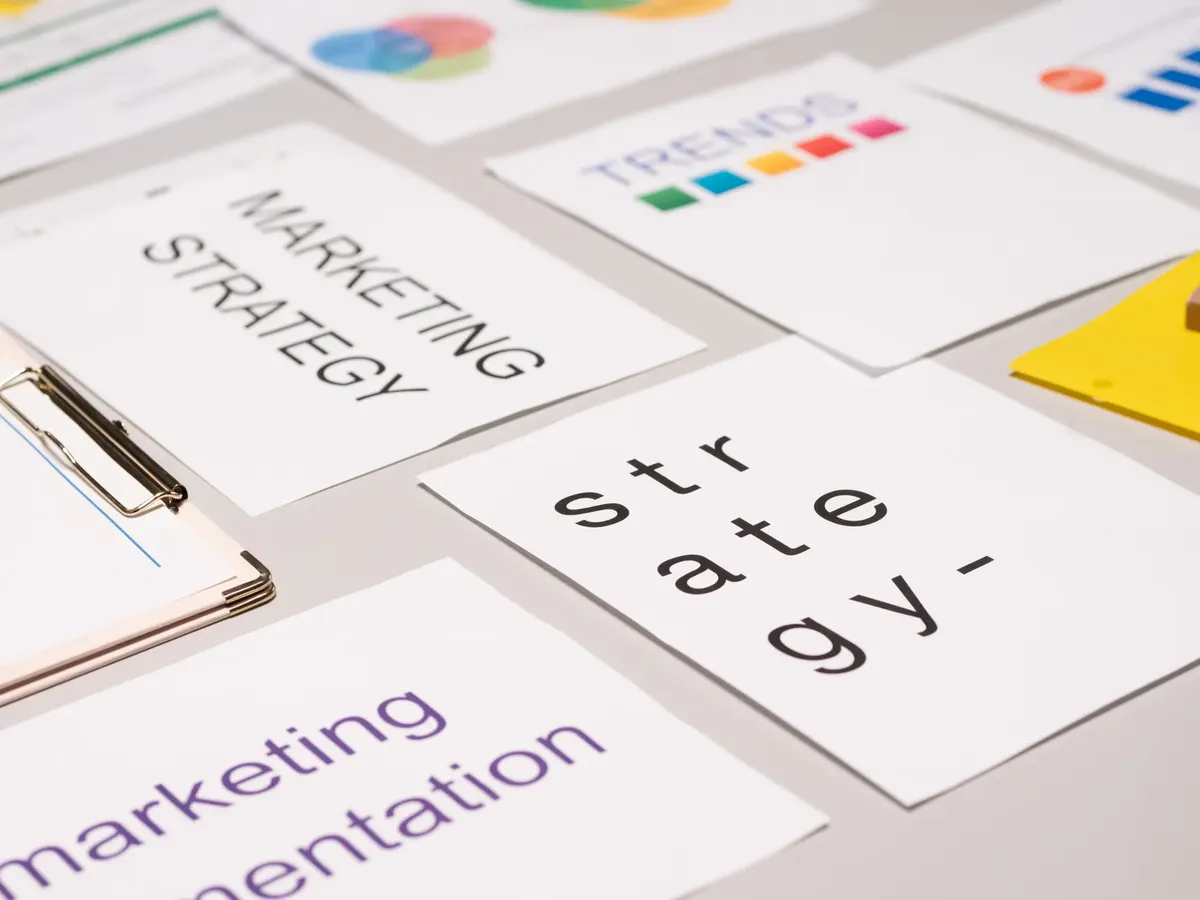
A director points to a roadmap that integrates various software tools into a single, cohesive operational flow. A robust AI strategy team setup must align technological capabilities with the overarching business objectives of the organization.
It is not enough to simply adopt new tools; the strategy must dictate how those tools serve the long-term mission.
The setup should include roles that bridge the gap between high-level business goals and technical execution. This ensures that the automation serves the purpose of increasing value rather than just automating existing inefficiencies.
A thoughtful AI strategy team setup allows for the scaling of successful tactics across different markets.
This setup also requires a framework for measuring success. An AI strategy team setup must include metrics that reflect both the efficiency of the automation and the quality of the customer experience. This dual focus prevents the team from optimizing for the wrong variables.
How do we handle marketing org innovation?
A researcher studies the impact of a new automation tool on a team's daily productivity and morale. Driving marketing org innovation means rethinking traditional hierarchies to allow for more fluid, data-driven communication.
This type of innovation is often the difference between a company that merely uses technology and one that is transformed by it.
Innovation requires a culture that accepts experimentation and learning from failure. Marketing org innovation should be treated as a continuous process rather than a one-time event. This mindset allows the organization to remain resilient in a rapidly changing digital landscape.
During this transition, the organization might face resistance to change. Successful marketing org innovation involves educating staff on how new tools augment their roles rather than replace them. This builds the trust necessary to sustain long-term technological shifts.
How to implement the new structure
Implementing these changes requires a methodical approach to ensure stability while the organization evolves. Managers should follow these steps to transition their teams:

- Audit existing roles and technical capabilities to identify gaps in the current workforce. 2. Redefine job descriptions to include data literacy and automated tool management as core competencies. 3. Integrate cross-functional pilot projects to test new workflows before a full-scale rollout.
I found that during my first attempt at restructuring a data team, focusing on these specific steps helped prevent the loss of institutional knowledge. A final check should involve reviewing how the new roles interact during a real-world project to ensure no critical tasks are being overlooked.
A limitation of this approach is that it assumes a baseline level of technical literacy within the existing workforce, which may not be present in all organizations.
- How can we define the new AI marketing team structure?
- What are the essential AI marketing roles guide components?
- How do we manage organizing AI effectively?
Related





Comments 0